Style Guide

Little tricks, big difference.

Each tip is labeled by the effect it creates, so you can pick what you'd like your outfit to do.

How to Tuck Your Top

Full tuck example

Classic · Work

Full tuck

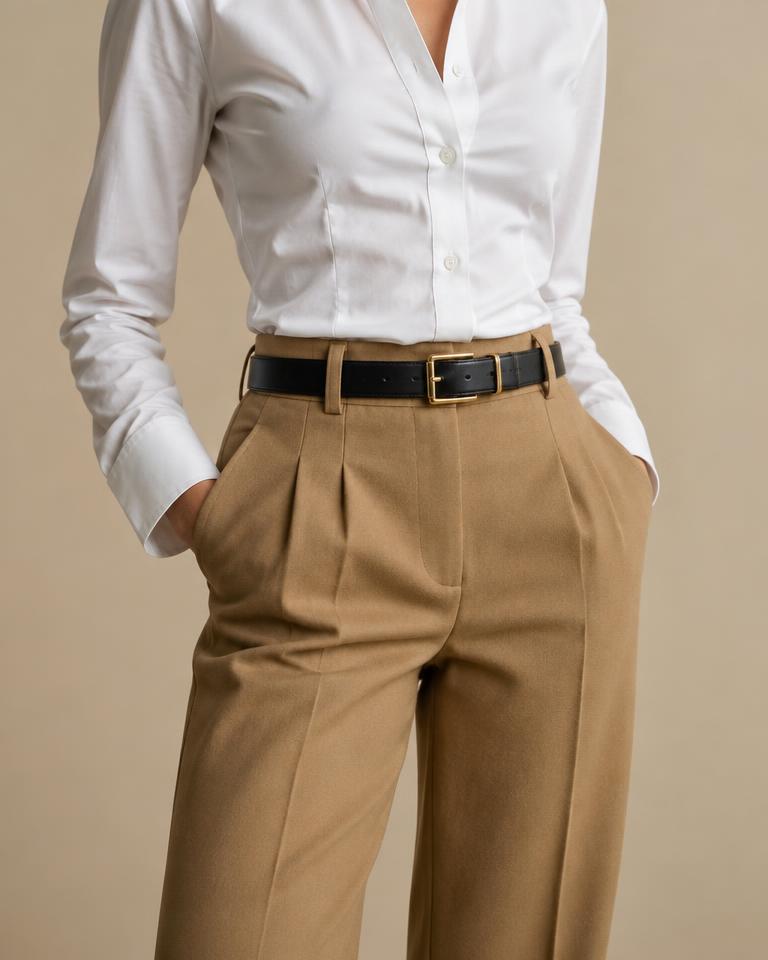
The entire front and sides of the shirt are tucked into the waistband. Tuck evenly, then lift your arms once so the shirt blouses slightly.

Look more polishedDefine the waist
More tips

When to wear it: Best for work, dinners and anywhere you want a clean line. Works with button-downs and fine knits over high-rise trousers, skirts or jeans.

Fit tips: Choose shirts with enough length to stay tucked when you sit. Crisp cotton and poplin hold the shape; very bulky knits bunch at the waist.

Common mistakes: Tucking too tight so buttons pull, or skipping the arm-lift so the shirt looks painted on.
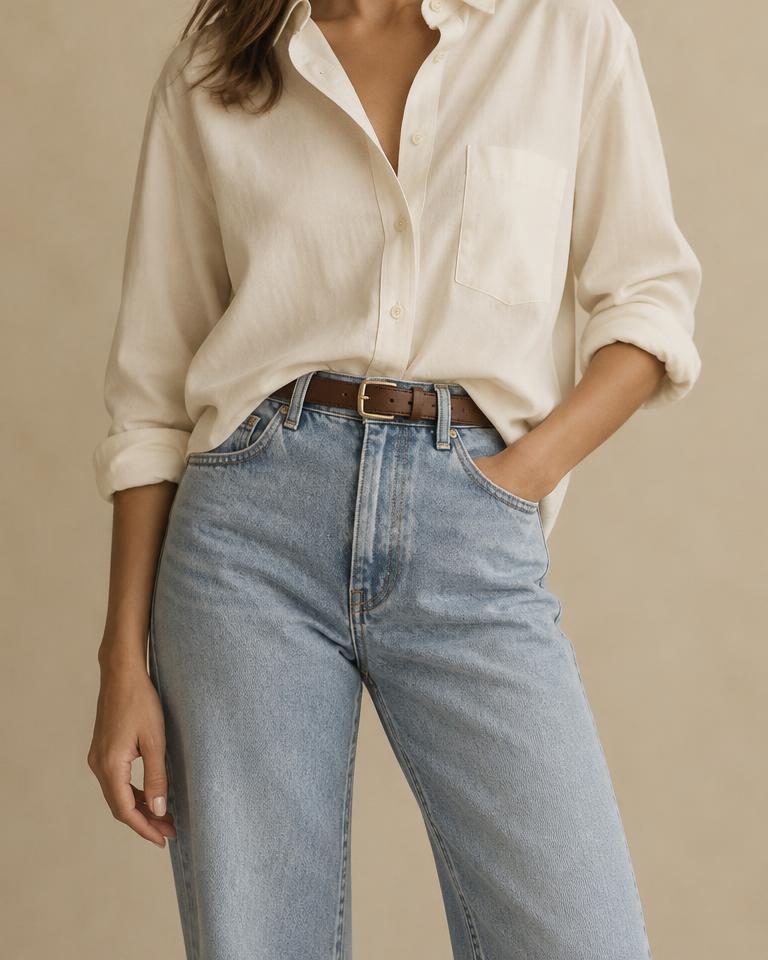
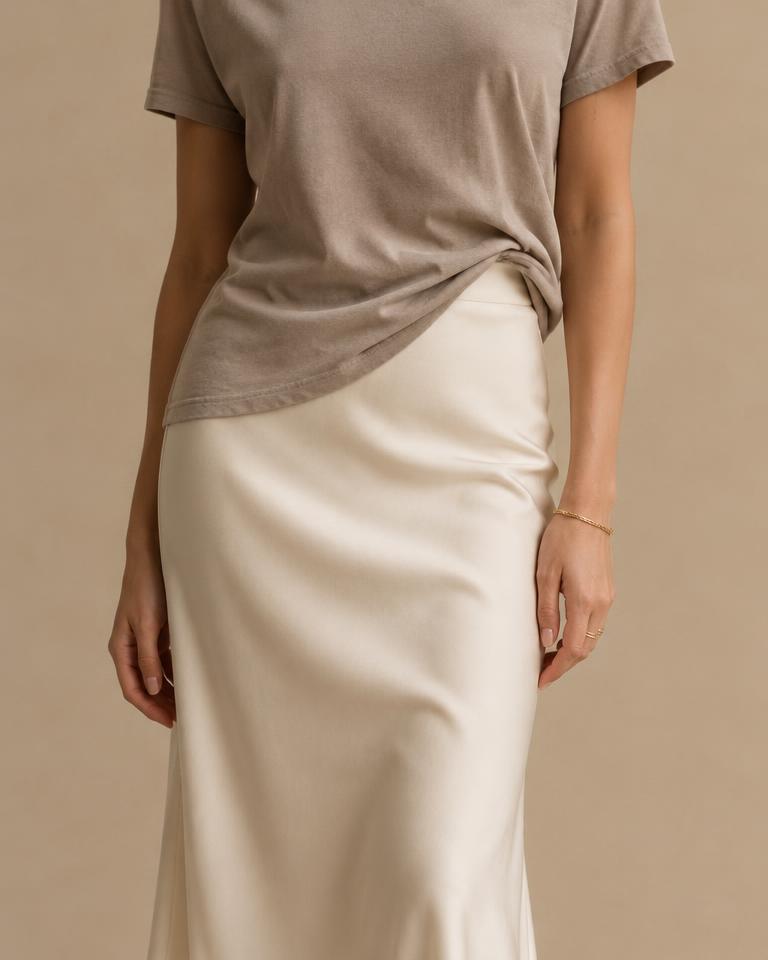
Front tuck (French tuck) example

Casual · Everyday

Front tuck (French tuck)

Only the center front of the shirt is tucked in, with the sides and back left loose. Tuck just a few inches and let the rest drape.

Define the waistLengthen legs
More tips

When to wear it: Everyday casual — tees, blouses and lightweight sweaters with jeans or trousers. Great when you want shape without looking formal.

Fit tips: Works best with mid-weight fabrics that drape; very stiff shirts stick out. Slightly longer shirts give a nicer loose back.

Common mistakes: Tucking too much fabric so the front bulges, or centering it crooked — keep the tuck straight over the zipper.

Side tuck example

Relaxed · Trendy

Side tuck

One side of the shirt is tucked into the waistband while the other side stays loose, creating an easy asymmetric line.

Add shapeBalance volume
More tips

When to wear it: Relaxed weekends and creative settings. Lovely with oversized shirts, tunics and wide-leg or straight bottoms.

Fit tips: Best with oversized or longer shirts — the loose side should skim, not cling. Soft, drapey fabrics fall best.

Common mistakes: Tucking both sides by accident (that becomes a full tuck), or pairing with very fitted tops where the asymmetry disappears.

Half tuck example

Casual · Effortless

Half tuck

One half of the front is tucked in while the other half hangs loose — a softer, more undone version of the front tuck.

Define the waistKeep it relaxed
More tips

When to wear it: Off-duty days: button-downs worn open over a tee, or soft flannels and chambray with jeans.

Fit tips: Needs a shirt with some length so the loose half doesn't ride up. Lightweight fabrics tuck flatter than thick ones.

Common mistakes: Tucking exactly at the side seam so it looks accidental — aim for a clear quarter-to-half of the front.

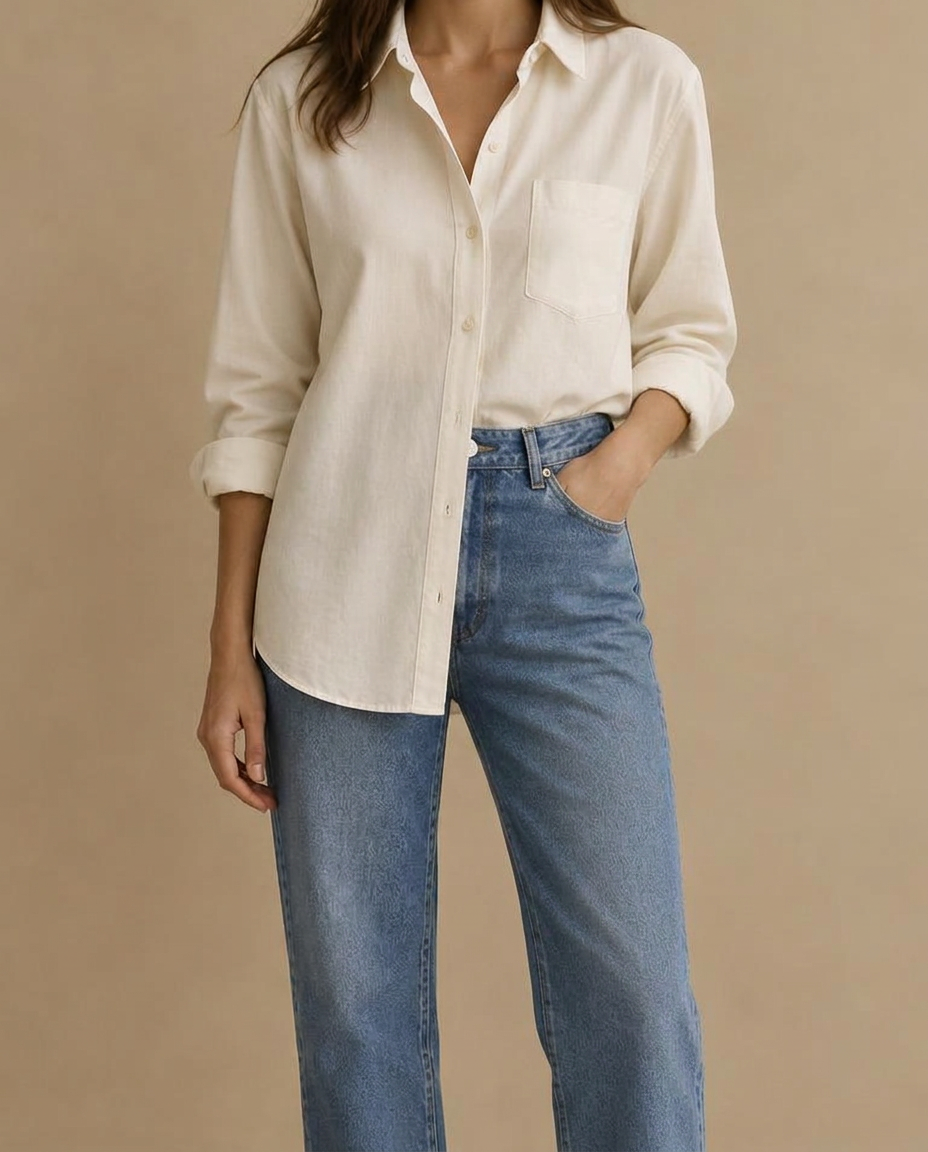
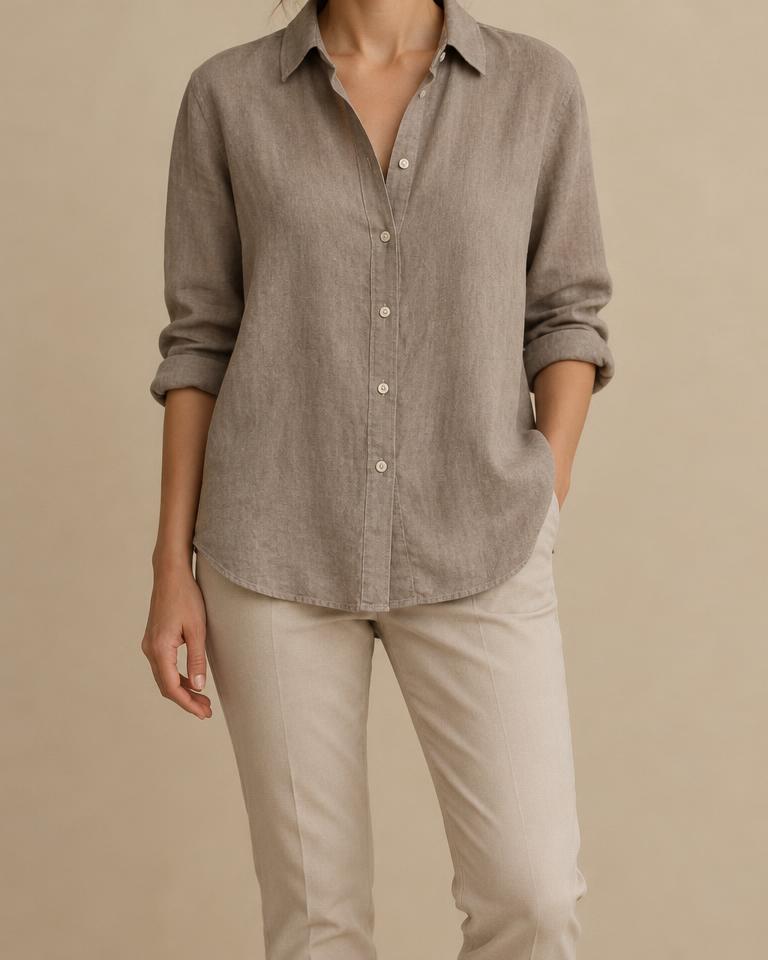
Loose / no tuck example

Easy · Weekend

Loose / no tuck

The shirt stays fully untucked. The trick is choosing the right length and shape so it looks intentional, not forgotten.

Keep it relaxedSkim the middle
More tips

When to wear it: Weekends, travel and casual offices. Ideal with tops designed to be worn out: boxy tees, tunics, camp-collar shirts.

Fit tips: Hem should end around mid-hip — past the widest point but not at the knees. Straight or slightly curved hems look neatest; size down if the shoulders droop.

Common mistakes: Wearing a long dress-shirt hem untucked (the tails look sloppy), or a top so long it swallows your legs.

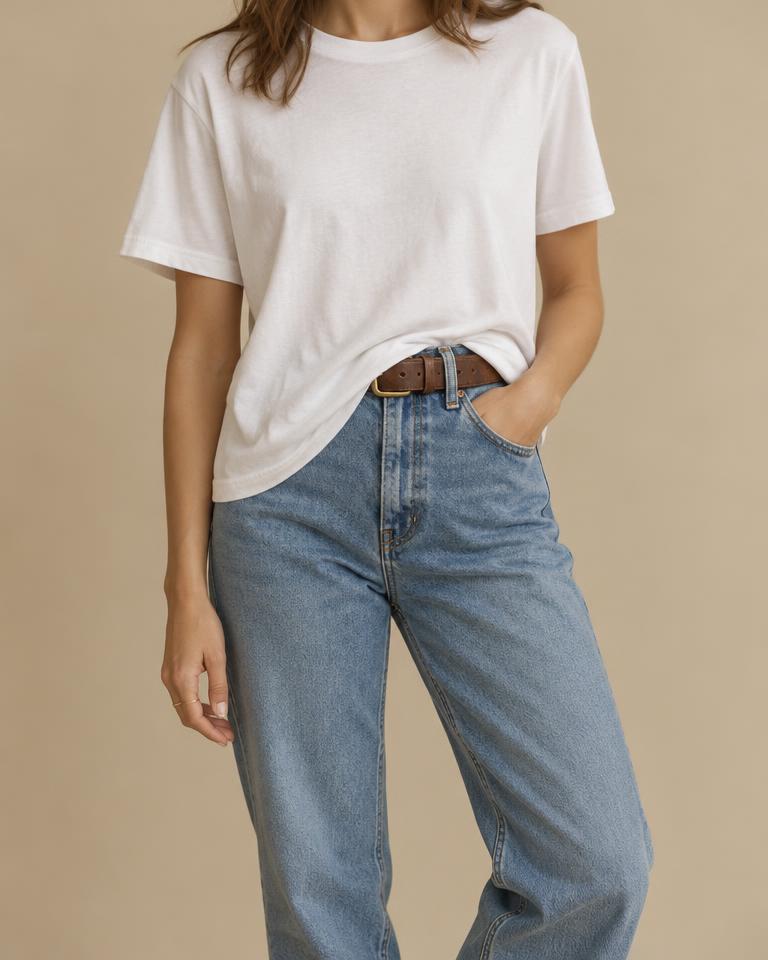
Belt-loop / partial tuck example

Sporty · Laid-back

Belt-loop / partial tuck

Just a small section of fabric is tucked near the waistband — often a single belt loop's worth — for the most relaxed hint of shape.

Add shapeKeep it relaxed
More tips

When to wear it: Very casual days: tees and slouchy knits with denim or utility pants. Nice when a full front tuck feels too styled.

Fit tips: Works with almost any length; heavier knits need only a tiny tuck so they don't bunch. Mid- to high-rise bottoms show it best.

Common mistakes: Tucking a thick sweater deeply (creates a lump), or doing it on low-rise bottoms where there's little waistband to anchor to.

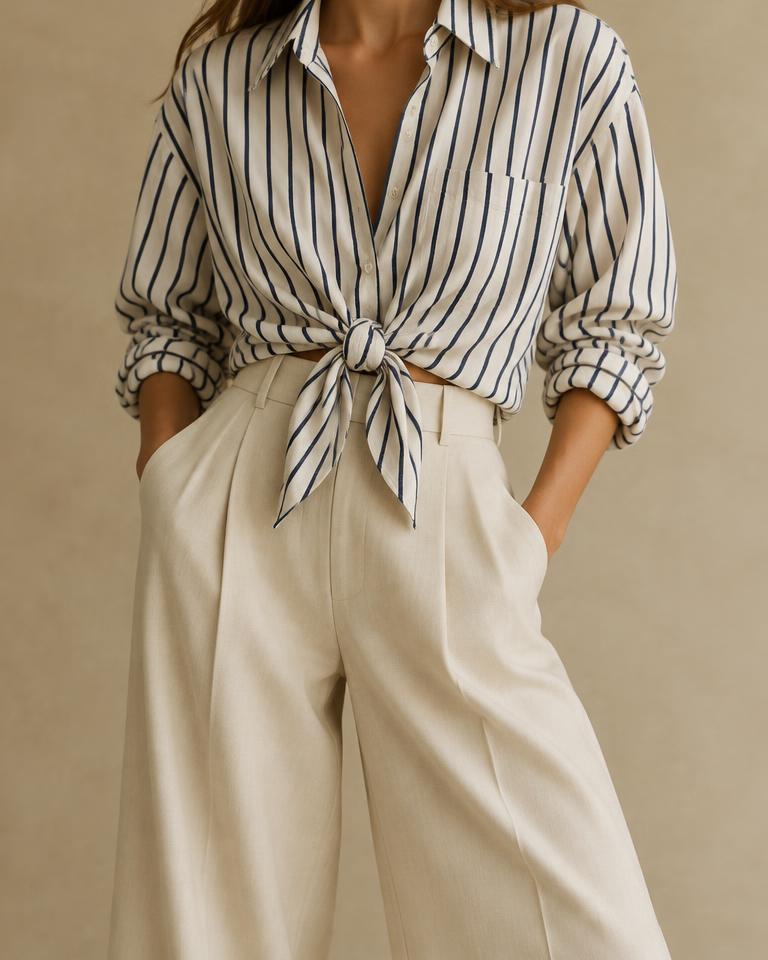
Front knot example

Vacation · Playful

Front knot

Gather the front hem of an open shirt and tie it in a loose knot at your waistband.

Define the waistShorten long tops
More tips

When to wear it: Warm weather and holidays — over dresses, tanks or high-rise shorts and skirts.

Fit tips: Needs a shirt long enough to tie; size up or use an oversized shirt. Soft cotton and linen knot best.

Common mistakes: Knotting too tight so the fabric strains, or tying too low so the knot sits on the hips instead of the waist.

Belts & layering

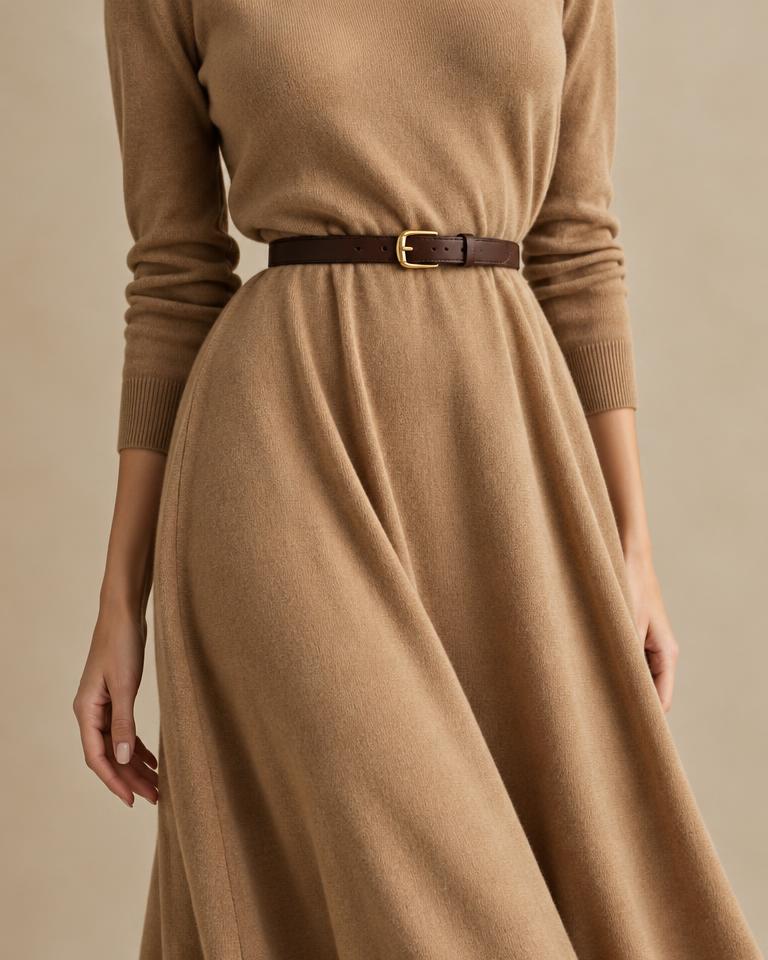
Belt at the waist example

Classic · Elegant

Belt at the waist

Cinch a slim belt at your natural waist over a dress, long knit or blazer.

Define the waistAdd structure
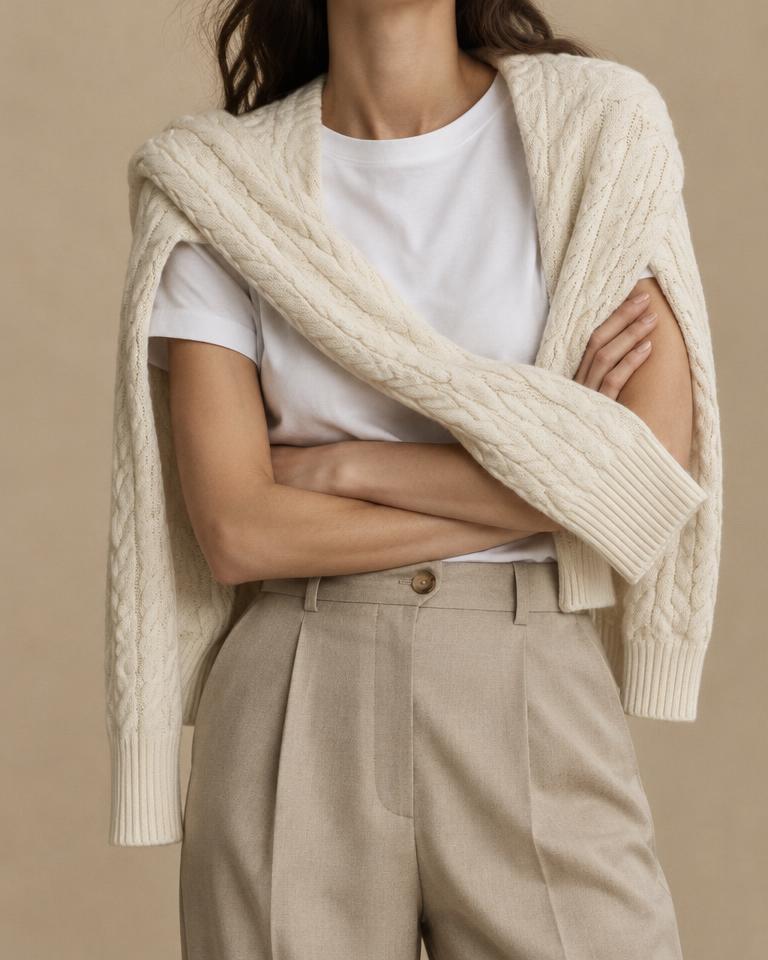
Shoulder drape example

Preppy · Classic

Shoulder drape

Drape a cardigan or sweater over your shoulders and loosely cross the sleeves.

Add interest up topLook more polished

Sleeve rolls

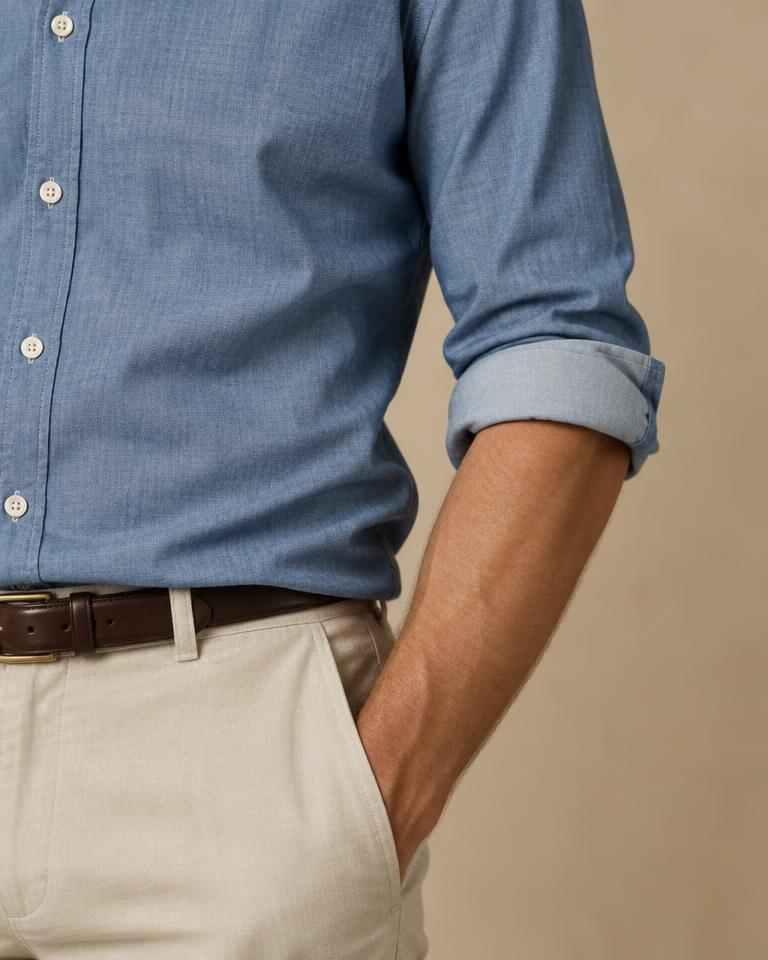
Crisp sleeve roll example

Smart casual

Crisp sleeve roll

Fold the cuff up to mid-forearm, then fold once more so a sliver of the cuff peeks out.

Look more relaxedShow the wrist
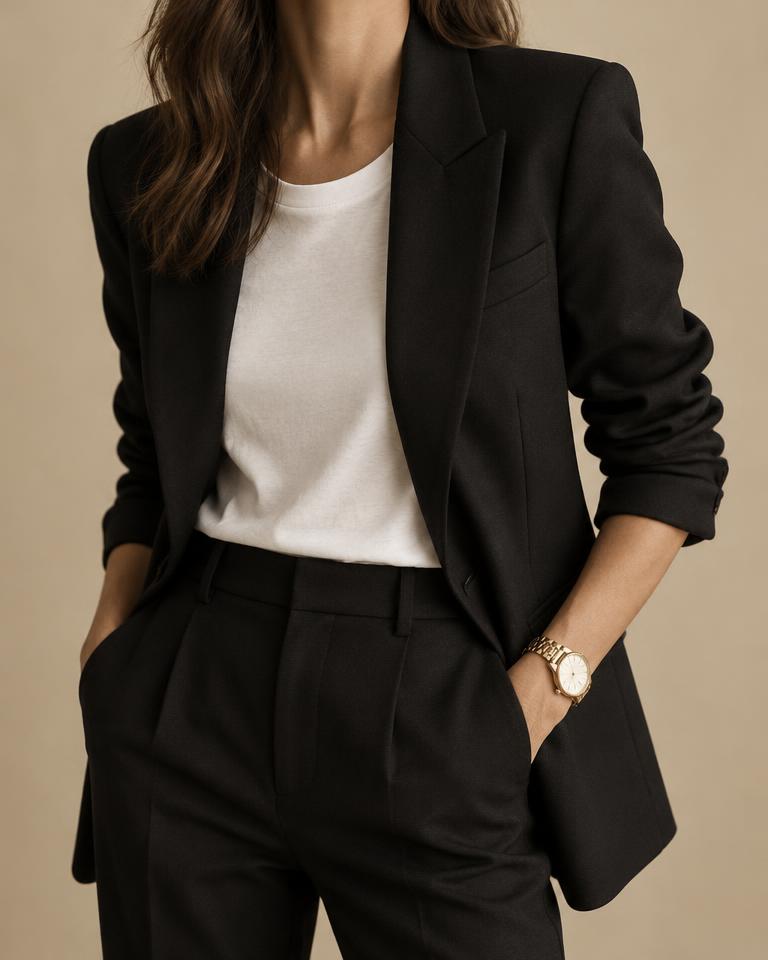
Pushed-up sleeves example

Effortless · Trendy

Pushed-up sleeves

Push blazer or sweater sleeves up to the forearm and let them bunch naturally.

Show the wristLook more modern

Pants cuffs

Single cuff example

Classic · Casual

Single cuff

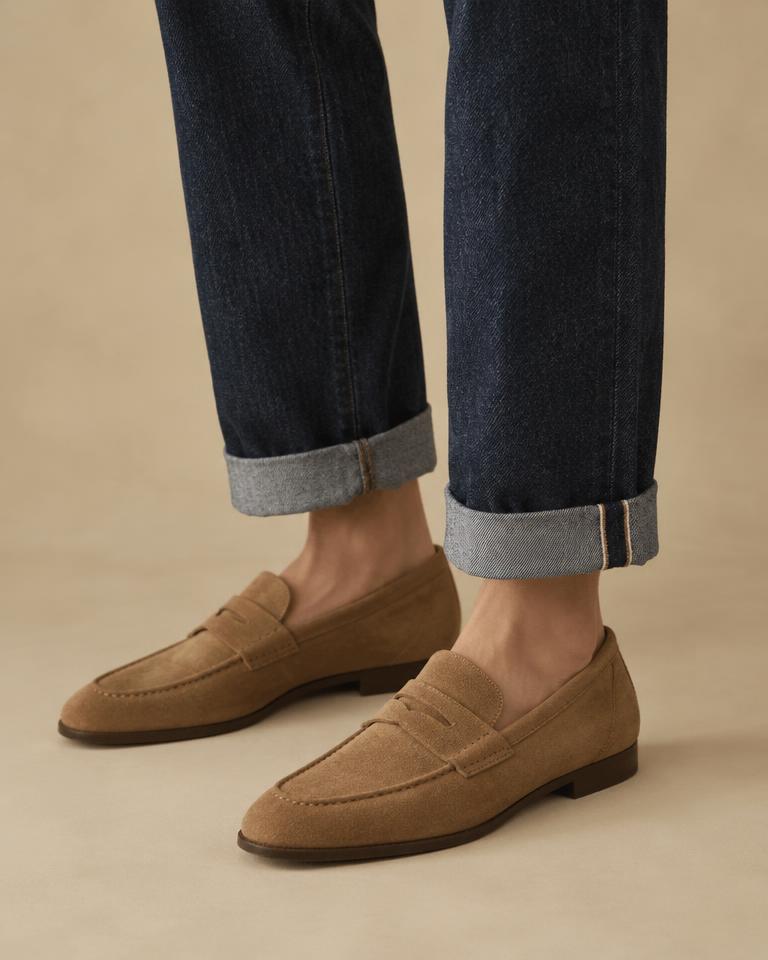
Fold the hem of straight jeans up once, about 4–5 cm, so it sits just above the ankle.

Show off shoesLook more polished
Pin roll example

Sporty · Modern

Pin roll

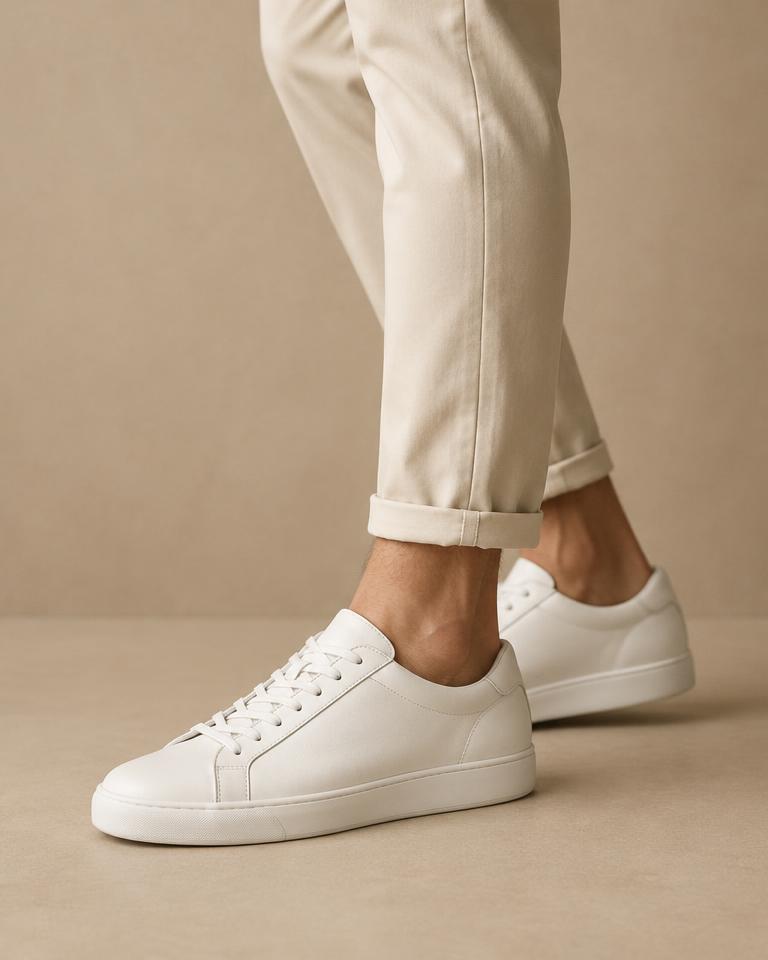
Pinch the hem tight at the inner ankle, fold it flat, then roll twice for a tapered finish.

Lengthen legsShow off shoes